Sake gift sets: what to buy, what to avoid, and what to tell the recipient
Most sake gift sets pair mediocre sake with a ceramic set nobody wanted. Here is what makes a good sake present, and the storage warning it needs.
 Sake
SakeSake makes a genuinely good present. It is unfamiliar enough to feel considered, it comes in beautiful bottles, and it sits at a price point where you can give something excellent without spending recklessly.
Sake gift sets, on the other hand, are mostly a way of selling ordinary sake in a box with two cups nobody asked for.
Here is how to tell the difference, and the one thing you should tell the recipient when you hand it over.
What makes a good sake gift
Three things, in this order.
1. A named brewery. Not "premium Japanese sake" — a brewery name, on the label, that you could look up. This is the single strongest signal of whether a bottle was chosen or assembled.
2. A designation you can point at. Junmai, honjozo, ginjo, daiginjo. These are defined in Japanese liquor tax law and mean specific things about how the sake was made. A bottle that carries one has cleared a real bar; a bottle that carries none is futsushu, ordinary sake, which is fine to drink and a poor thing to give.
3. A size the recipient will finish. This is the part people get wrong. Sake oxidises fast once opened — a week or two in the fridge, not months. A 720ml bottle given to someone who drinks a small glass occasionally will mostly go to waste. 300ml is often the more generous choice.
The safe premium pick
A junmai daiginjo from a named brewery. Highly polished, aromatic, floral and clean. It reads unmistakably as something expensive, it is easy to like on first taste, and it does not require the recipient to know anything.
If you want to spend more, spend it on a better brewery rather than a bigger bottle.
The more interesting pick
If the recipient already drinks sake, the safe choice is also the boring one. Better:
Kimoto (生酛) or yamahai (山廃) junmai. Older, slower starter methods that let wild lactic acid bacteria do the work. Higher acidity, earthy and savoury, and genuinely food-friendly — including with cheese, which surprises people. Most people who drink sake casually have never had one.
A brewery that still names its toji. The master brewer's name on a bottle is a signal about how it was made, and it gives the recipient something to read about.
A 300ml set of three contrasting styles from one retailer — a junmai, a ginjo and a kimoto, say. This is the gift-set format that actually works, because the variety is the point rather than the packaging.
What to avoid
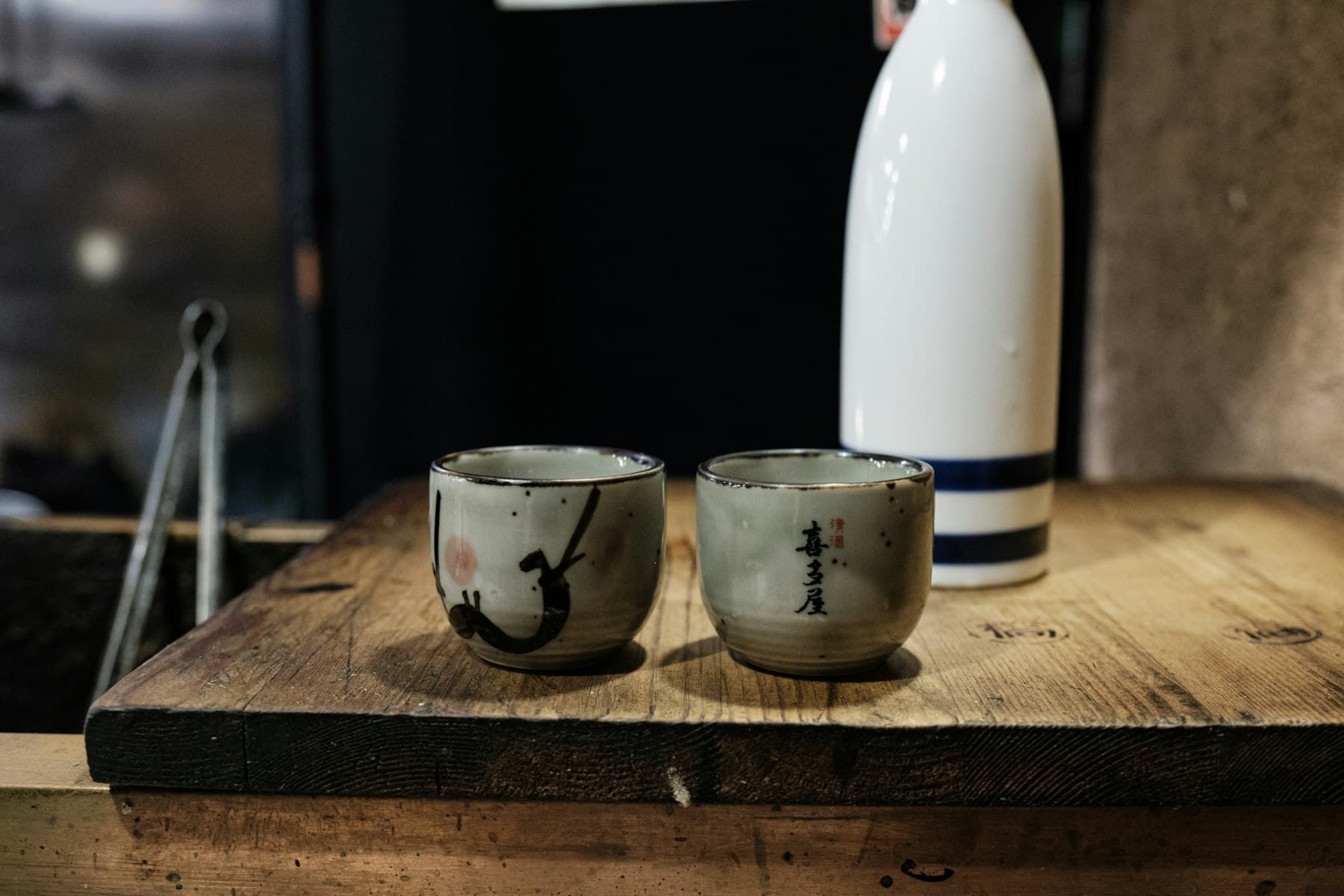
Ceramic sets bundled with sake. The economics are bad in both directions: the sake is chosen to hit a price, and the ceramics are mass-produced. If the recipient wants cups, one good ochoko bought separately beats a boxed pair.
Anything sold as a "sake bomb" or novelty set. It signals you did not look.
Unpasteurised sake (namazake), unless you are handing it over in person. Nama must stay refrigerated the entire way. A courier does not know that, and a warm bottle of nama is a spoiled bottle. If a retailer will not tell you how they ship it cold, assume they do not.
Large bottles for occasional drinkers. See above. 1.8-litre isshobin bottles look impressive and are a burden unless the recipient entertains.
"UNESCO-certified sake." There is no such thing. Traditional sake brewing was inscribed by UNESCO in December 2024, but the listing certifies no bottle and confers no legal protection. If a product claims certification, someone is inventing.
A subscription, unless they already drink sake weekly. Subscriptions are a commitment, someone has to be home to sign for every delivery, and the recipient inherits the cancellation admin. We compared the surviving services if you still want to.
The card matters more than the box
The most useful thing you can add to a sake gift costs nothing: tell them how to treat it.
Write, or say:
Keep it cool and dark. Once you open it, put it in the fridge and drink it within a week or two — it is closer to wine than to whisky. Cold is a good place to start, but try a mouthful warmed to about body temperature too; it will taste like a different drink.
That short note converts a bottle that sits unopened into a bottle they enjoy — and prevents the most common outcome, which is sake left open on a shelf for three months and then judged badly.
If you want to give them more than that, point them at the four words that do most of the work on a sake label: what sake grades actually mean.
The delivery rules
Same as for any alcohol gift, and they catch people out every December.
- You cannot post it yourself. It has to be shipped by a licensed retailer; carriers prohibit alcohol from unlicensed shippers.
- An adult has to sign. In the US, someone 21 or over must be present with photo ID. No doorstep drops. If nobody is home it goes to a depot and becomes an errand you have given them.
- Not every state can receive it. US shipping rules vary by state and change quietly. You will find out at checkout.
- Do not send it across a border. Import duty and local tax fall on the recipient. A gift with a customs bill attached is not a gift — buy from a retailer in their country instead.
Order with a fortnight of slack in December, and send it to an address where somebody is reliably in on a weekday.
The short version
- Safe and impressive: junmai daiginjo, named brewery, 720ml if they drink, 300ml if they do not.
- Interesting: kimoto or yamahai junmai.
- Best format: three contrasting 300ml bottles rather than a bottle-and-cups set.
- Avoid: bundled ceramics, novelty sets, nama by courier, giant bottles.
- Include the storage note. It is the difference between a bottle enjoyed and a bottle wasted.
Last verified 5 August 2026. Shipping rules described are for the United States; check local rules elsewhere.
Common questions
What is a good sake to give as a gift?
A junmai daiginjo from a named brewery is the safest premium choice: it is aromatic, approachable, and reads clearly as something expensive. If the recipient already drinks sake, a kimoto or yamahai junmai is a more interesting present because it is a style they may not have tried.
Are sake gift sets with cups worth buying?
Usually not. Most pair ordinary sake with mass-produced ceramics, and you pay for the box. Buy a good bottle and, separately, one nice cup — or nothing but the bottle. Vessels only make sense as a gift for someone who already drinks sake regularly.
Does sake need to be refrigerated as a gift?
Pasteurised sake does not need refrigeration before opening, though it prefers cool and dark. Unpasteurised sake — namazake — must stay cold the whole way, which makes it a risky present unless you are handing it over in person. Tell the recipient which one you have given them.
How long does sake keep?
Unopened and stored cool and dark, most pasteurised sake is best within about a year of its production date. Once opened it oxidises quickly: refrigerate and drink within a week or two. Say this on the card — most recipients treat it like spirits and leave it open for months.
Read next
 Sake
SakeHow to store sake: before opening, after opening, and the one bottle that cannot wait
Sake is closer to wine than to whisky. Where to keep it, how long it really lasts, and why an opened bottle on the shelf is the most common mistake.
SakeJunmai, ginjo, daiginjo: what sake grades actually mean
The eight legal sake designations, what the polishing percentage tells you, and how to read a Japanese label in about a minute.
 Sake
SakeOchoko, masu or wine glass: does the vessel really change the taste?
Yes, and more than you would expect. What each traditional vessel is for, why a wine glass often wins, and which ones to buy first.