Sake grades and labels, explained
Sake is easier than it looks once you know that four words on the label do most of the work. These guides cover the legal designations, the numbers breweries print on the back, how to serve it, and the storage rules that decide whether a bottle survives the journey to you.
Guides in this section
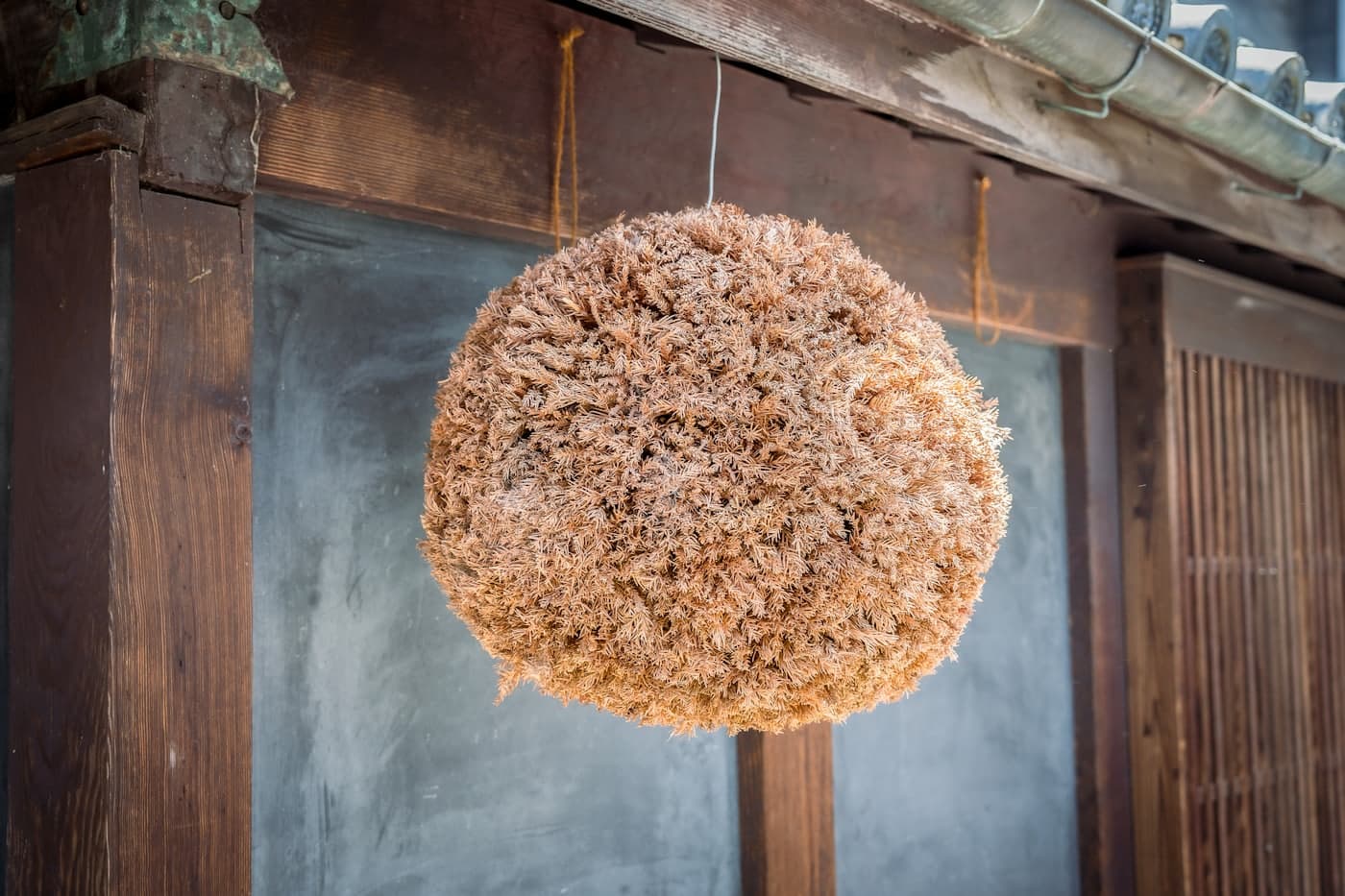 Sake
SakeHow to store sake: before opening, after opening, and the one bottle that cannot wait
Sake is closer to wine than to whisky. Where to keep it, how long it really lasts, and why an opened bottle on the shelf is the most common mistake.
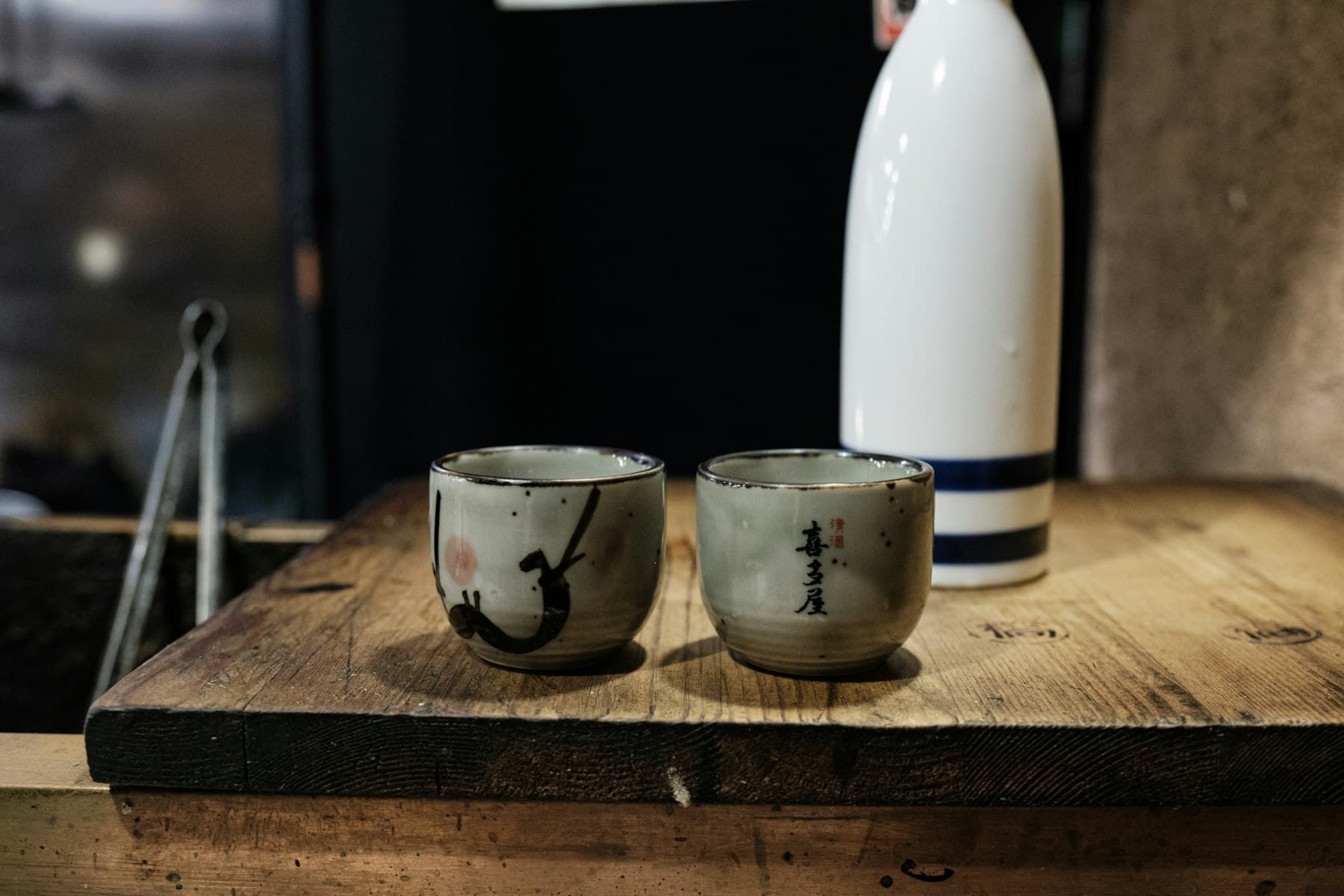 Sake
SakeJunmai, ginjo, daiginjo: what sake grades actually mean
The eight legal sake designations, what the polishing percentage tells you, and how to read a Japanese label in about a minute.
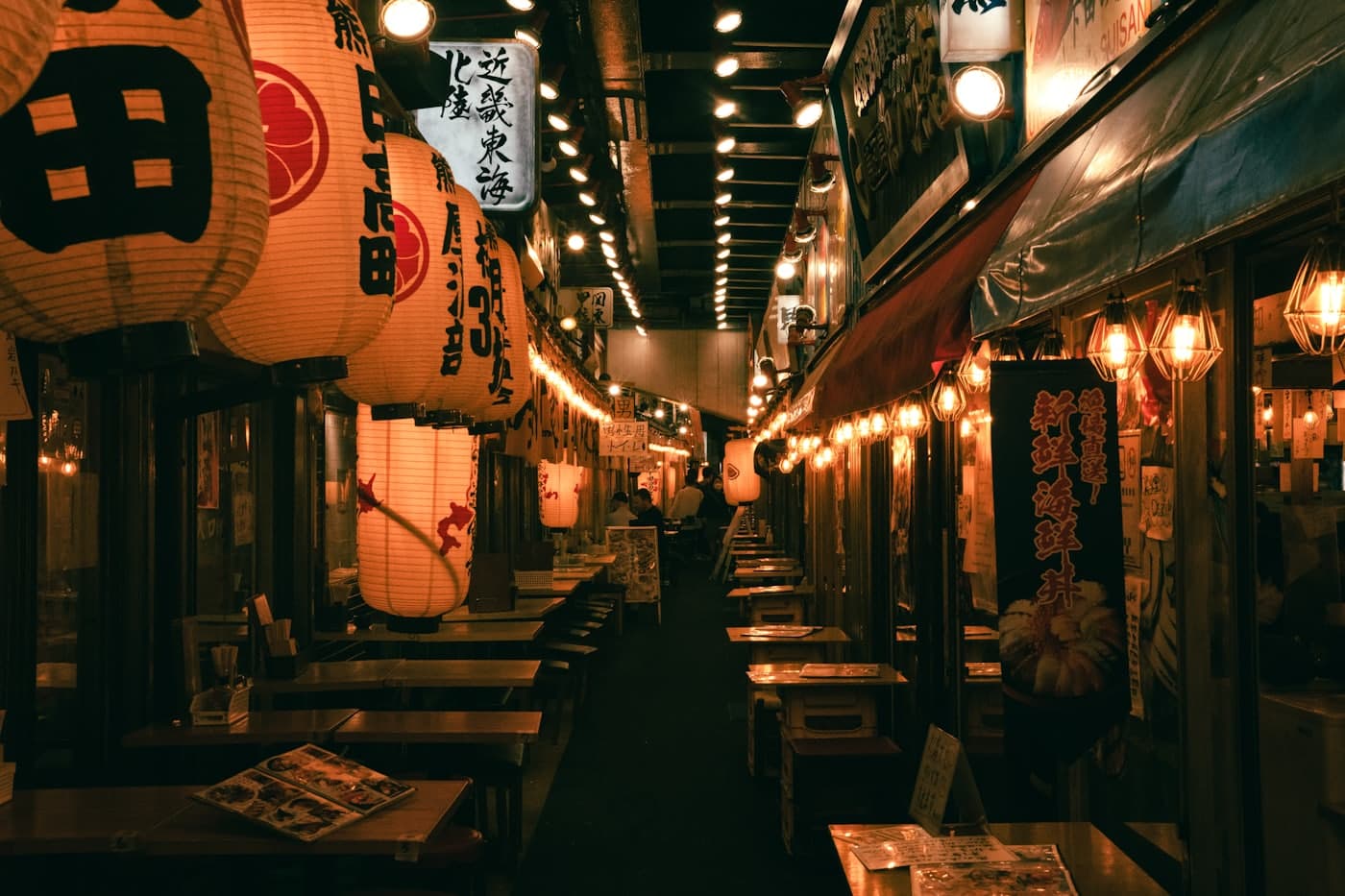 Sake
SakeOchoko, masu or wine glass: does the vessel really change the taste?
Yes, and more than you would expect. What each traditional vessel is for, why a wine glass often wins, and which ones to buy first.
SakeSake gift sets: what to buy, what to avoid, and what to tell the recipient
Most sake gift sets pair mediocre sake with a ceramic set nobody wanted. Here is what makes a good sake present, and the storage warning it needs.
SakeSake is UNESCO heritage now. Here is what that actually means
Traditional sake-making with koji was inscribed by UNESCO in December 2024. What the listing does, what it does not do, and why it matters to you.
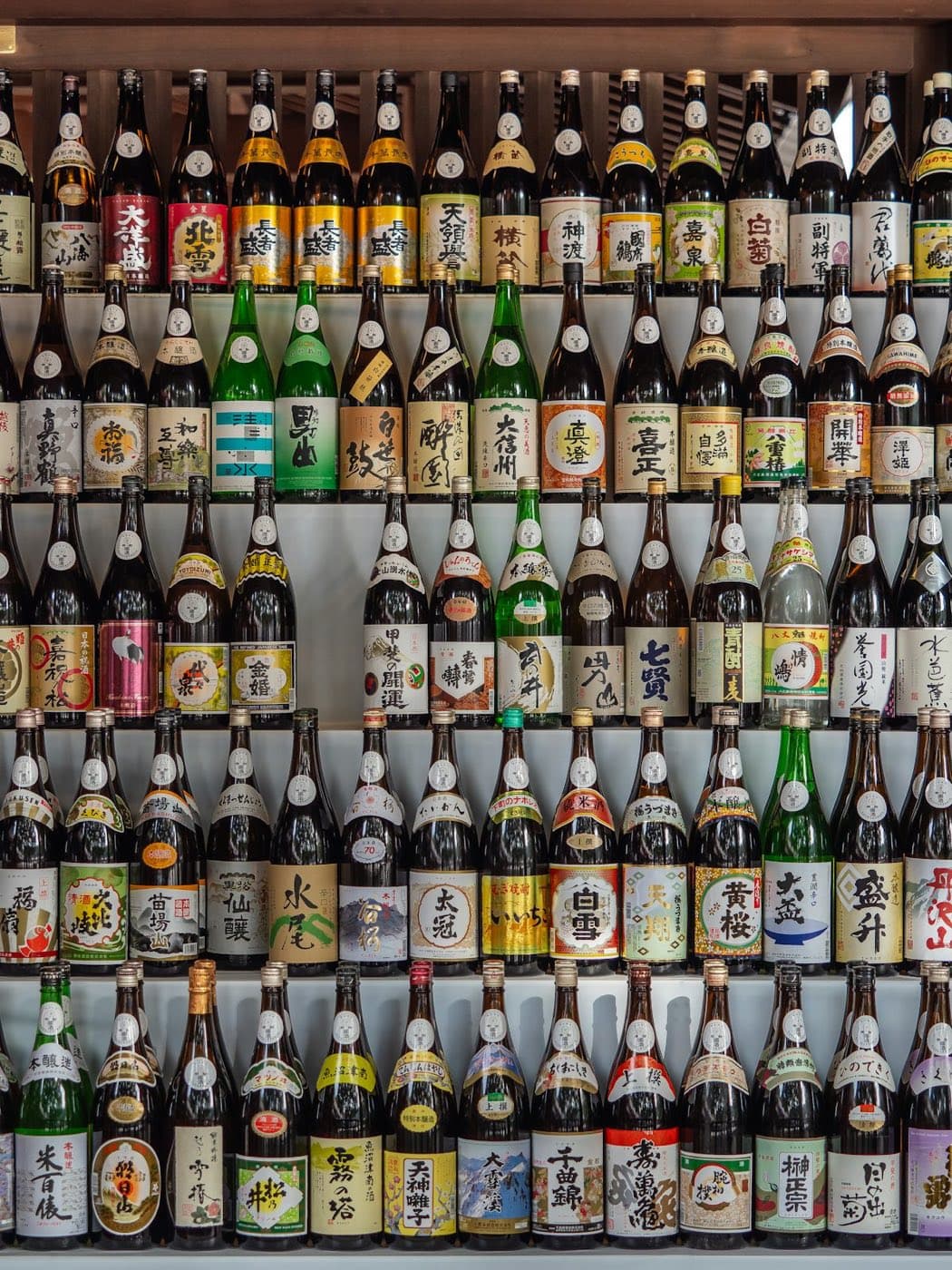 Sake
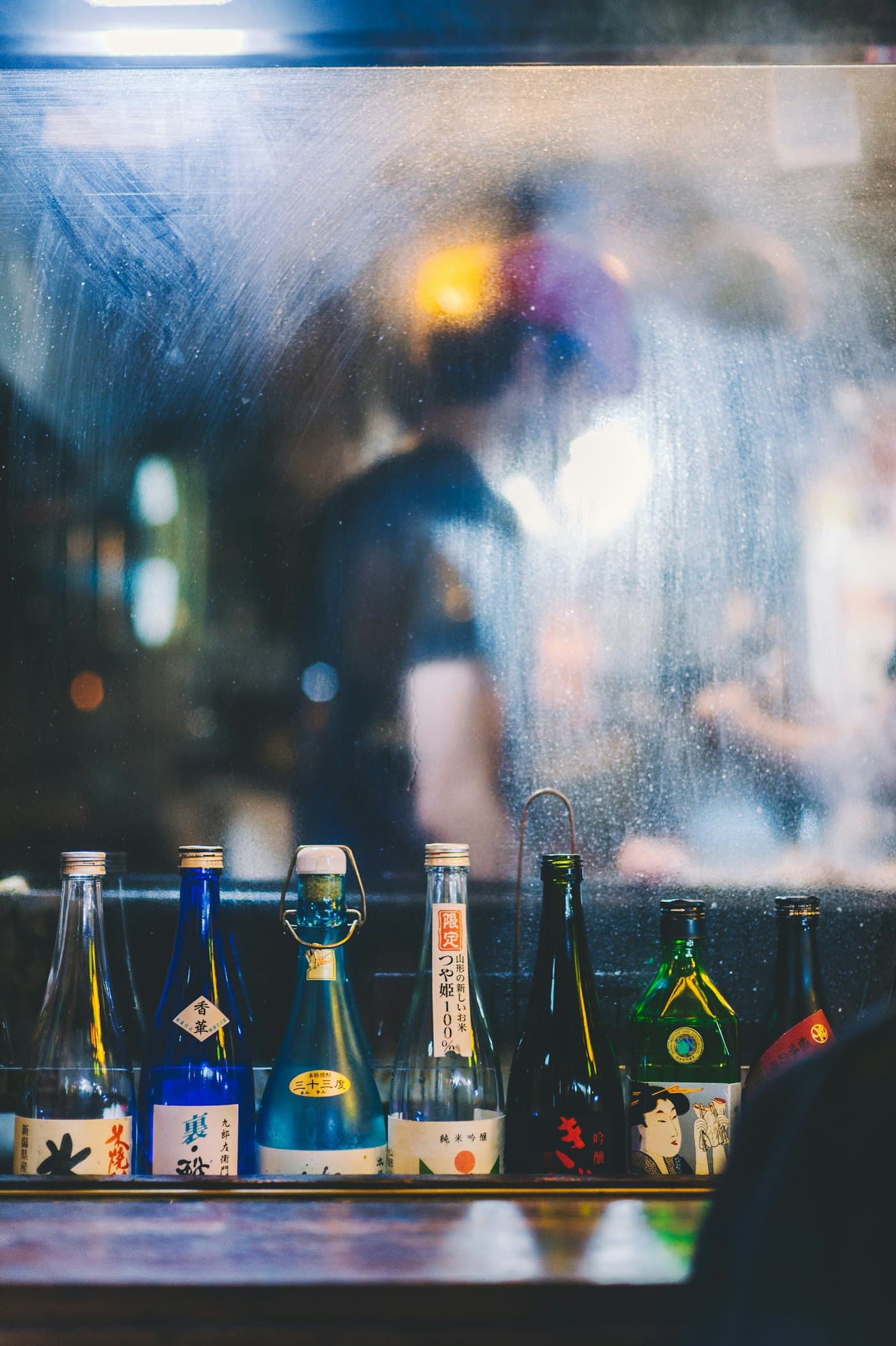
SakeSake serving temperature: the same bottle is two different drinks
Japanese has ten words for how warm sake is. Here is what each one does to the drink, which styles to warm, and why microwaving ruins it.
 Sake
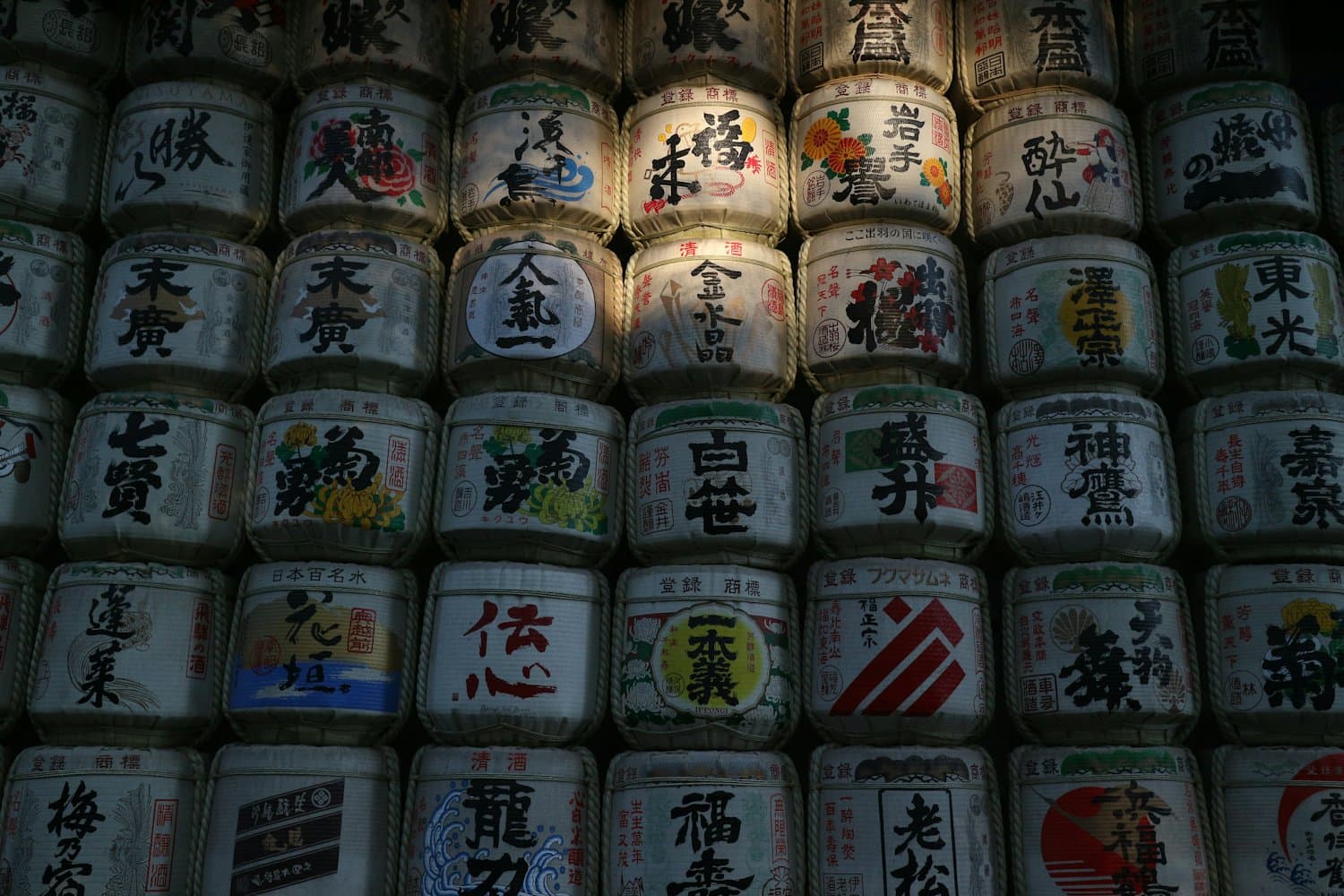
SakeSake vs shochu vs soju: what is actually different
Three drinks that get confused constantly. One is brewed, one is distilled, one is Korean — and the word sake does not mean what most guides say it means.
 Sake
SakeThe best sake for beginners: what to buy first, by what you already drink
Forget brand lists. Pick your first sake from the drink you already like, in a size you will finish, and know the two words that matter on the label.
SakeWhat is namazake, and why does it need a refrigerator?
Unpasteurised sake is the freshest thing in the category and the least forgiving. What nama is, the three half-measures beside it, and how to buy it safely.
Other sections
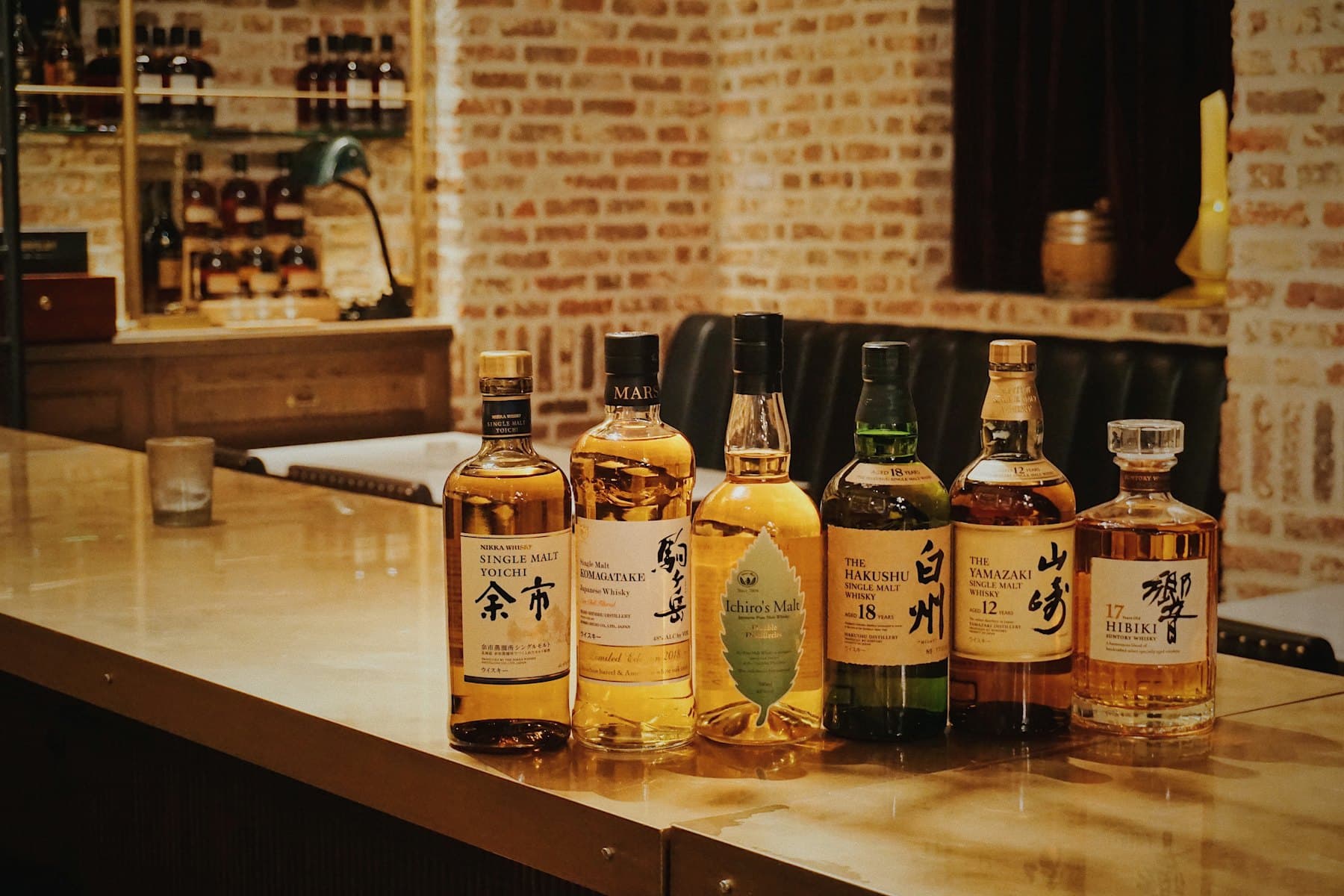
Japanese whisky
The labelling standard, how to tell a genuine Japanese whisky from a world blend, and which bottles earn their price now that the market has cooled.
Buying & shipping
Which shops can legally ship to your country, what import duty costs you, and how to avoid the counterfeit problem at the top of the market.