The best Japanese whisky under $100 in 2026 — and what to skip
Now that the speculative premium has gone, this is the band where Japanese whisky makes sense again. Seven bottles worth the money, and the traps.
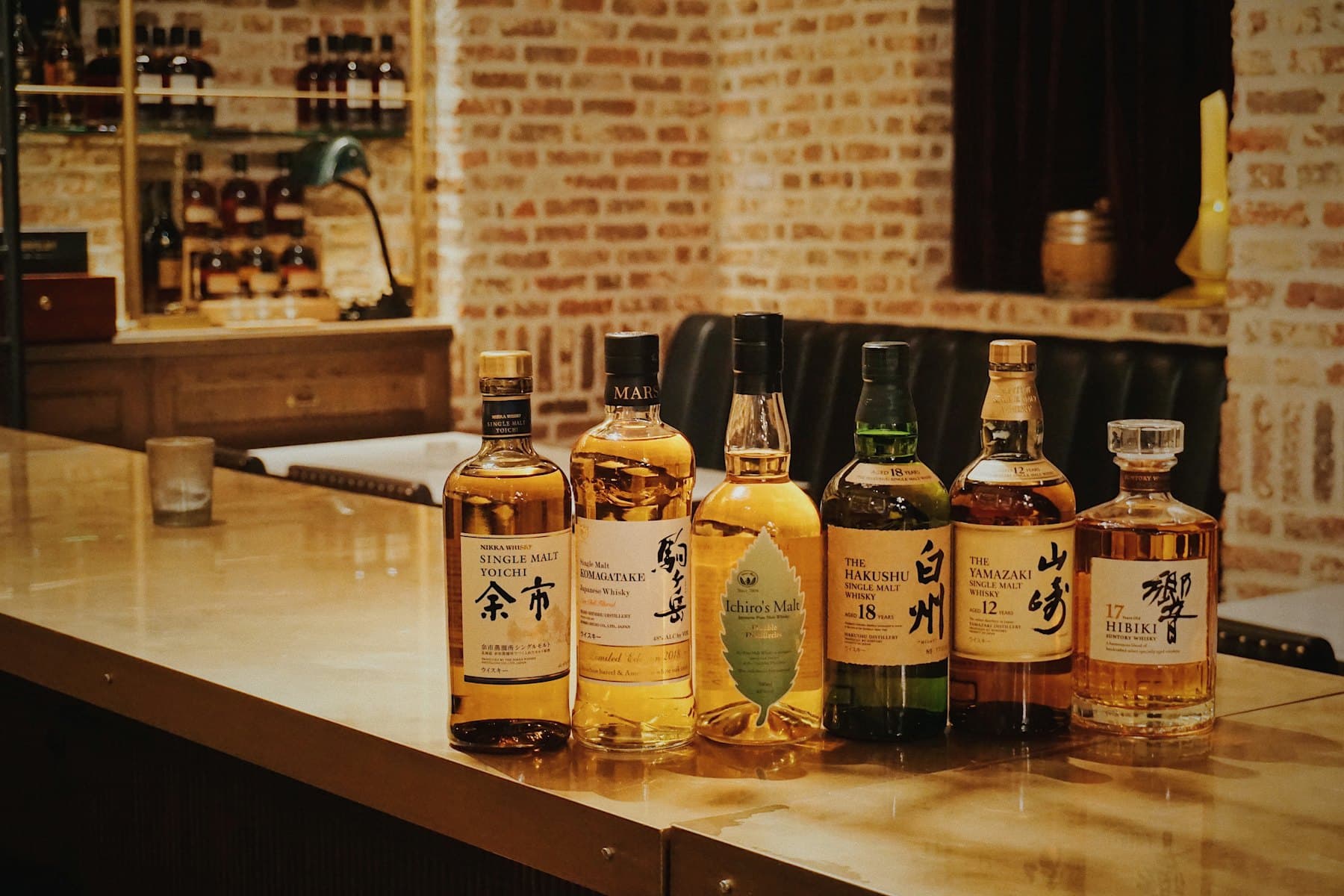 Japanese whisky
For about five years, the honest answer to "what Japanese whisky should I buy for under $100?" was not much, and good luck finding it. Allocations were tight, speculators sat between you and the shelf, and the bottles that were available were mostly there because nobody wanted them.
That has changed. The speculative premium has drained out of the category, and the sub-$100 band is properly stocked again. It is now the most sensible place to spend money on Japanese whisky.
Here is what earns its place, why, and what to avoid.
A note on prices
We do not publish prices we have not checked ourselves, and this category moves month to month. Everything below sits in the sub-$100 band in most Western markets as of August 2026, but check the live price at your retailer — spread between shops in the same country is still wide, and a bottle that is $70 at one is sometimes $110 at another.
The everyday shelf
Suntory Toki. Built for highballs and honest about it. Light, clean, faintly citric, and it stays recognisable under four parts soda. Judged neat it is forgettable; judged as the base of the drink most Japanese people actually order, it is very good. If you are buying one bottle to make highballs at home, buy this one.
Nikka Coffey Grain. Grain whisky from a continuous Coffey still, and unusual in that it is bottled as a product in its own right rather than blended away. Sweet, vanilla-heavy, almost bourbon-adjacent. It is the bottle that converts people who think they dislike whisky.
Nikka Coffey Malt. The same still, malted barley instead of corn. Rounder and maltier than the grain, and worth trying alongside it — the pair together teaches you more about what a still does than any single bottle will.
The best value in the category
Nikka From The Barrel. If you buy one bottle from this article, buy this. It is bottled at 51.4% ABV in a small square bottle that holds 500ml rather than 700ml, which makes the shelf price look lower than the per-litre reality — but even adjusted, nothing else in Japanese whisky delivers this much concentration for the money. Rich, spiced, faintly waxy. Add a few drops of water rather than ice.
It is a blend, not a single malt. If that bothers you, it should not: the category's best-value bottle being a blend is a fact about Japanese whisky, not a compromise.
The interesting end
Kirin Fuji. Kirin's Fuji Gotemba distillery makes malt and three distinct styles of grain whisky on one site, which is rare anywhere. The Fuji range gets less attention in English than Suntory and Nikka, and is priced accordingly. Good value while that lasts.
Mars — Iwai and Iwai Tradition. Hombo Shuzo's Shinshu distillery sits at altitude in Nagano. Iwai is corn-forward and built for cocktails; Iwai Tradition leans malt and sherry. Both punch above their price band, and the distillery has a real story that most bottles at this money do not.
Akkeshi, Kanosuke, Yuza — if you can find an entry bottling. The newer Japanese distilleries mostly price above $100, but blended or younger releases occasionally land under it. These are the most interesting whiskies being made in Japan right now, and they are priced on liquid rather than brand recognition. Buy one when you see it.
What to skip
Anything in this band with no distillery named on the label. The $60 to $120 range is exactly where a Mount Fuji illustration, a Japanese-sounding brand name and no verifiable production information is still worth a producer's while. If the brand has no distillery you can look up, treat it as a world blend that has not admitted it. Our guide to checking a bottle covers this in detail.
"World blend" and "world malt" bottlings sold at Japanese-whisky prices. Suntory's Ao and Nikka's Session are openly labelled and perfectly good drinks. They are not Japanese whisky, and they should not cost the same as one.
Entry Yamazaki, Hakushu and Hibiki, at current prices. After the 2024 list-price rises these are poor value relative to what else is available. You are paying a brand premium, and the liquid does not justify the gap. If you want the famous names, wait for a genuine discount rather than paying allocation prices.
Miniature "tasting sets" of unnamed whisky. Sample sets from a retailer that names each distillery are a good way to learn. Sets of unnamed "Japanese whisky" samples are a way to clear stock.
If your budget is different
- Under $50: Suntory Toki or the Nikka Coffey pair. Nobody is pretending at this price and the drinks are honest.
- $100–200: the newer distilleries — Chichibu, Kanosuke, Yuza, Akkeshi — where the interesting drinking currently is.
- Above $200: you are buying scarcity as much as liquid. That is a legitimate thing to buy, but buy from a retailer with real provenance; the counterfeit problem at the top of this category is serious.
The short version
- One bottle, best value: Nikka From The Barrel.
- One bottle, for highballs: Suntory Toki.
- One bottle, to learn something: Nikka Coffey Grain and Coffey Malt side by side.
- Skip anything in this band that will not name its distillery.
- Check the live price. This category has moved a lot and will move again.
Last verified 5 August 2026. Prices change; distillery and production facts do not.
Common questions
What is the best Japanese whisky for the money?
Nikka From The Barrel is the usual answer and still a fair one. It is bottled at 51.4% ABV, it is blended rather than a single malt, and it delivers more concentration and flavour per unit of money than almost anything else in the category. If you want a single malt instead, look at the newer distilleries rather than the famous three.
Is Suntory Toki worth buying?
As a highball whisky, yes. It is built to be diluted and carbonated, and it does that job cleanly. Sipped neat it is unremarkable, and reviews that judge it that way are testing it for something it was not designed to do.
Why is there so little single malt under $100?
Because single malt from the big Japanese houses is allocated and priced above that band, and the newer distilleries are small. Under $100 you are mostly choosing between blends, grain whiskies and blended malts — which is not a downgrade, just a different category.
Are cheap Japanese whiskies actually made in Japan?
Not always. Below roughly $50 the category is honest about it, and above roughly $150 you are usually buying named-distillery whisky. The $60 to $120 band is where a Japanese-looking label with no distillery named is most likely to be a world blend. Check for a named distillery or the JSLMA certification mark.
Read next
 Japanese whisky
A Japanese whisky gift guide by budget — and the delivery rules nobody mentions
What to give at $50, $100 and $200, why the famous bottles are the weakest gifts right now, and the shipping rules that quietly ruin alcohol presents.
 Japanese whisky
How to make a Japanese highball at home
The ratio, the ice, the glass and the stir. Why the Japanese version tastes different from whisky and soda, and which bottle to use.
Japanese whiskyIs your Japanese whisky actually Japanese? How to check before you spend $200
The 2021 labelling standard, why it is still voluntary, and four checks that tell you whether a bottle is really Japanese whisky.