How to make a Japanese highball at home
The ratio, the ice, the glass and the stir. Why the Japanese version tastes different from whisky and soda, and which bottle to use.
 Japanese whisky
A highball is whisky and soda water. There is nothing to it, which is exactly why the Japanese version tastes noticeably better than the one most people make at home.
The difference is not a secret ingredient. It is that every step is done deliberately, and the whole thing is built around keeping the drink cold and carbonated to the last mouthful.
Why this is the default drink in Japan
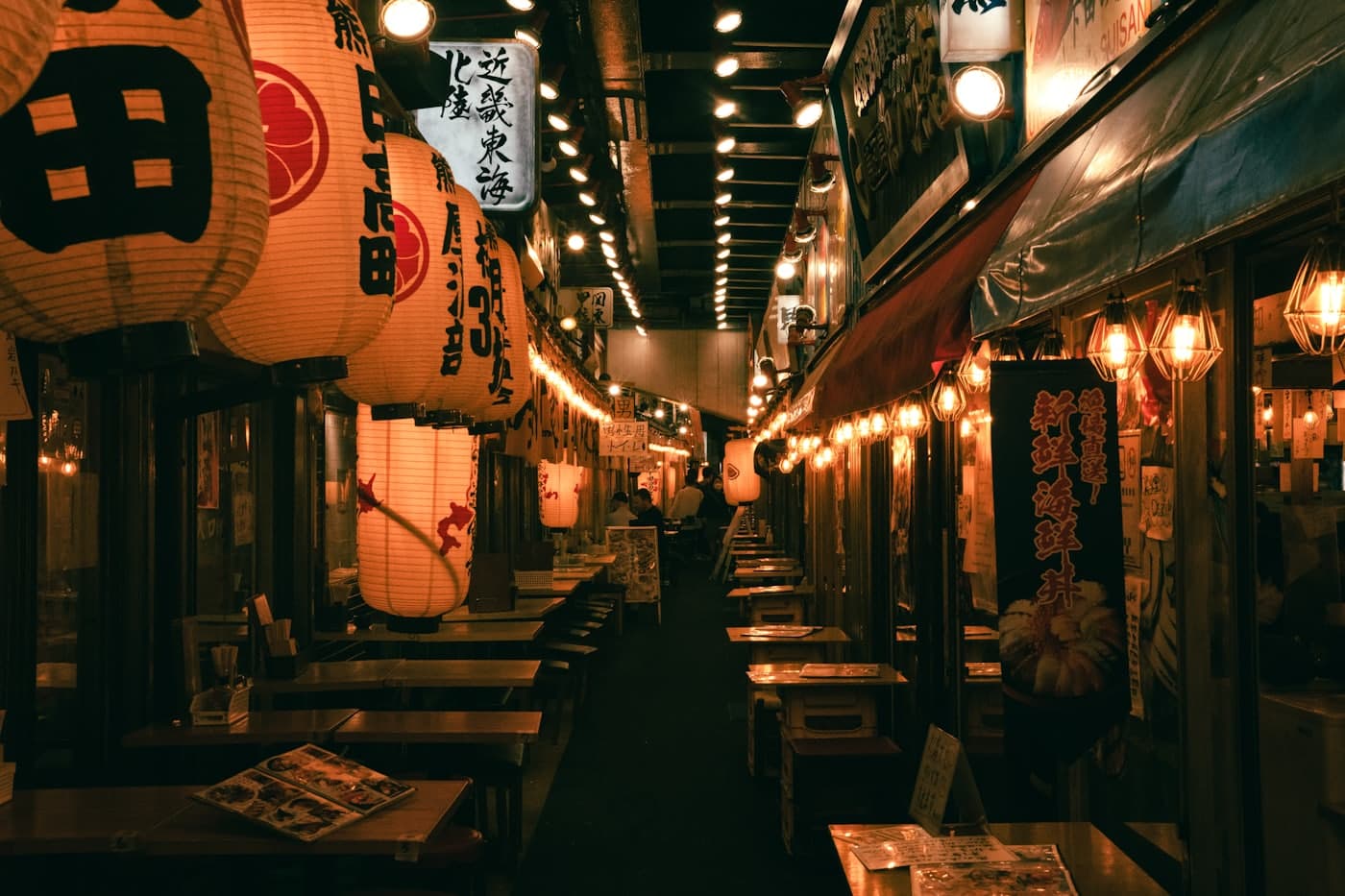
Whisky consumption in Japan collapsed in the 1980s and 90s. Suntory's response in the late 2000s was to reposition whisky as a food drink — something you order with dinner rather than after it — by promoting the highball served in a frosted mug alongside grilled food.
It worked, and it reshaped the category. If you order whisky in an izakaya today, a highball is what arrives unless you specify otherwise.
That history explains the design. A highball is not a weakened whisky. It is a long, cold, dry, carbonated drink engineered to cut through fried food and salt — and it should stay that way for twenty minutes, not two.
What you need
A tall, narrow glass. Narrow matters: less surface area means slower loss of carbonation. A 300ml highball glass is ideal; a Collins glass works.
Ice — a lot of it. The single biggest variable. Use the largest, hardest, coldest ice you have and fill the glass to the top. Ice that is barely below freezing melts immediately and waters the drink; ice from the back of a cold freezer lasts.
Cold soda water. From the fridge, opened just before use. Warm soda loses gas the moment it hits ice.
Whisky, also cold if possible. Keeping the bottle in the fridge is not sacrilege for this purpose. Every degree you do not have to remove with ice is a degree of dilution you avoid.
The method
- Chill the glass. Fill it with ice, give it ten seconds, tip out any melt water. Do not skip this.
- Refill with ice to the very top. More than looks right.
- Add the whisky. One part — about 30–45ml.
- Stir the whisky and ice briefly, around thirteen turns. This chills the spirit before the soda arrives, so the soda is not doing the cooling. Suntory's own bar training specifies this step and it makes a real difference.
- Add soda — three parts — pouring gently down the inside of the glass or over the back of a bar spoon so it does not crash into the ice and lose its gas.
- Stir once. One slow vertical lift from the bottom. That is enough. Every extra stir costs you carbonation.
- Garnish: nothing, or a lemon twist. Squeeze nothing. If you want citrus, express the oil from a strip of peel over the surface and drop it in.
The ratio, honestly
1:3 is the standard. 1:4 suits lighter whiskies and longer drinking. Some Japanese bars go to 1:5 for a very dry, sessionable serve.
Start at 1:3 and adjust downward if it tastes hot. There is no correct answer, but there is a wrong one: a 1:1 "highball" is a whisky and soda, and it will be warm and flat before you finish it.
Which whisky to use
Suntory Toki. Designed for this. Light, faintly citric, and it stays recognisable under four parts soda. It is the sensible default and it is inexpensive enough that you will actually make highballs rather than saving it.
Hakushu. The best highball of the famous Suntory three by a distance — the fresh, green, lightly smoky character survives dilution where Yamazaki's richness does not. It is also priced as a sipping whisky, so this is a luxury rather than a habit. We compared the three here.
Nikka From The Barrel. At 51.4% ABV it can take a 1:4 or even 1:5 ratio and still taste of something. If you like your highball with more grip, this is the bottle.
What not to use: anything heavily sherried or heavily peated. Both fight the format — the first turns syrupy, the second turns medicinal.
Full picks at each price are in our best Japanese whisky under $100.
Three upgrades that are worth it
Frozen glass. Keep the glass in the freezer. A frosted glass is not decoration; it is thermal mass working for you.
Better ice. Clear, dense ice from a proper tray or a bag of good bar ice outlasts hollow freezer ice by a wide margin. This is a bigger improvement than upgrading the whisky.
A soda siphon or fresh small bottles. A 200ml bottle opened per drink is much more carbonated than the last third of a two-litre bottle. This is the cheapest upgrade on the list.
Three mistakes that ruin it
- Not enough ice. Two cubes in a tall glass is a warm drink in five minutes.
- Stirring like a cocktail. Carbonation is the drink. One stir.
- Warm soda. It loses gas on contact with ice and never recovers.
The short version
- Frozen glass, ice to the top, 1 part whisky to 3 parts soda.
- Stir the whisky with the ice before adding soda.
- Pour the soda down the side, stir once, drink.
- Toki as the default bottle; Hakushu if you are being indulgent; From The Barrel if you want it stronger.
Last verified 5 August 2026.
Common questions
What is the correct whisky to soda ratio for a highball?
One part whisky to three parts soda is the standard, and one to four is common for lighter whiskies. Start at 1:3, taste, and adjust. The point is a drink you can drink through a meal, not a diluted glass of whisky.
Which Japanese whisky is best for a highball?
Suntory Toki is built for it and is the usual answer. Hakushu makes an exceptional one because its fresh, green character survives dilution. Nikka From The Barrel works if you want something more assertive, and its strength means you can push the ratio to 1:4.
Does the ice really matter in a highball?
More than the whisky does. Fill the glass completely with the largest, hardest ice you have. A full glass of cold ice melts slowly and keeps the drink carbonated; two small cubes melt fast and give you a warm, flat drink halfway down.
Why does my highball go flat?
Usually too much stirring, warm soda, or not enough ice. Chill everything first, pour the soda down the side of the glass or over a bar spoon, and stir once — a single vertical lift is enough to mix it.
Read next
 Japanese whisky
A Japanese whisky gift guide by budget — and the delivery rules nobody mentions
What to give at $50, $100 and $200, why the famous bottles are the weakest gifts right now, and the shipping rules that quietly ruin alcohol presents.
 Japanese whisky
Is your Japanese whisky actually Japanese? How to check before you spend $200
The 2021 labelling standard, why it is still voluntary, and four checks that tell you whether a bottle is really Japanese whisky.
 Japanese whisky
Japan's new whisky distilleries: where the interesting drinking is now
Kanosuke, Yuza, Saburomaru, Shizuoka, Akkeshi. Who they are, what makes each one different, and why they are better value than the famous names.