Mizunara: what Japanese oak actually does to whisky
Sandalwood and incense, and a wood so difficult that most distilleries avoid it. What mizunara really contributes, and when it is worth paying for.
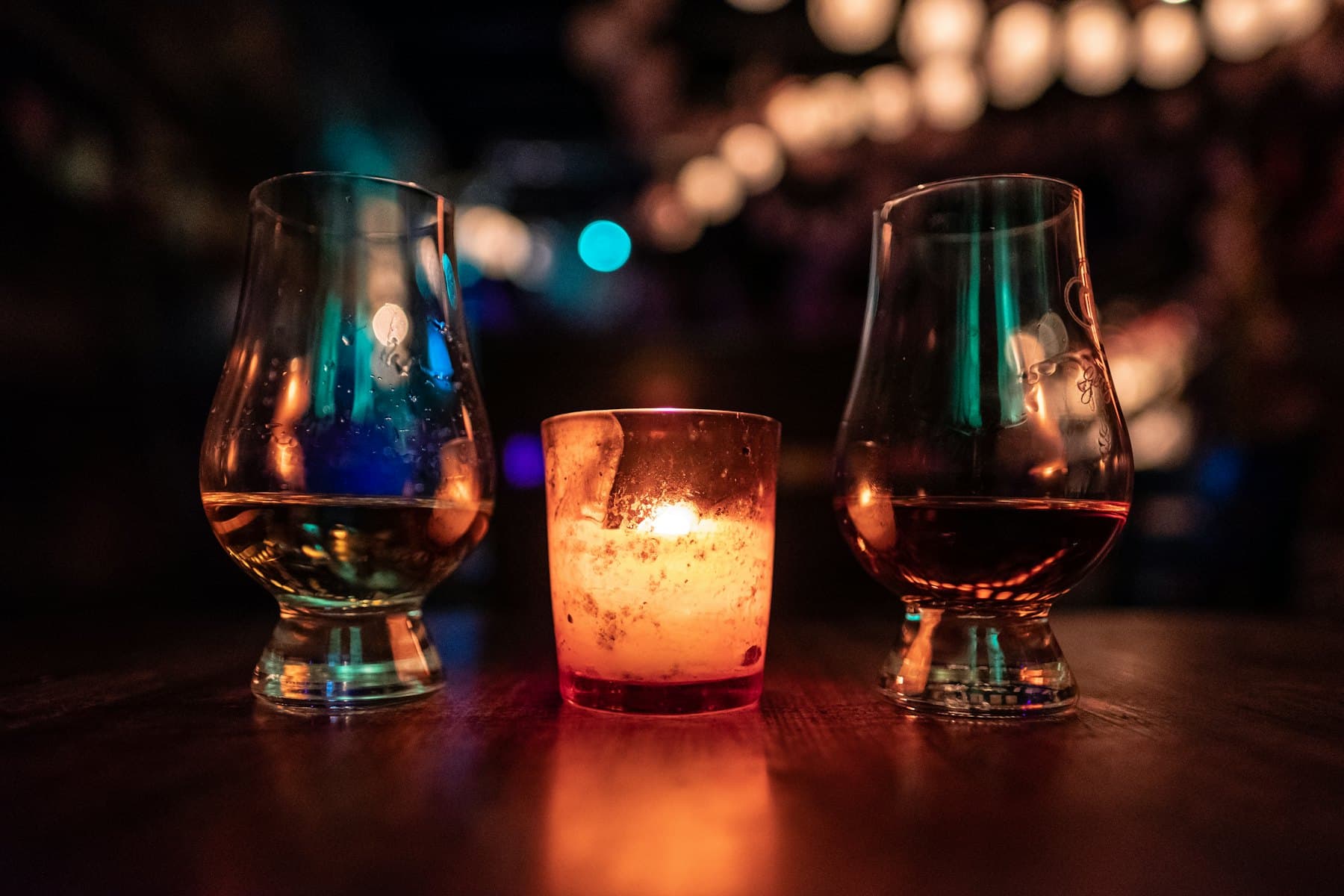 Japanese whisky
Mizunara is the most talked-about wood in Japanese whisky and one of the least well explained. It is usually introduced with the word "sandalwood" and left there.
Here is what the wood actually is, what it does chemically, why it costs what it does, and when it is worth paying for.
What mizunara is
Mizunara (水楢, "water oak") is Quercus crispula, a Japanese oak growing mainly in Hokkaido and the cooler north. The name comes from its high moisture content.
Distilleries did not choose it. They were forced into it. During and after the Second World War, imported American and European casks were unavailable to Japanese producers, who turned to the domestic oak they could get. The early results were reportedly disliked — the wood gave the whisky a character nobody was looking for. It was only after long maturation, decades later, that the trait became the thing people prized.
That accident is now one of the defining signatures of Japanese whisky.
What it does to the whisky
Three things separate mizunara from American white oak and European oak.
High vanillin. Mizunara is unusually rich in vanillin, which is why the wood pushes sweetness and a distinctly perfumed quality rather than the caramel-and-toffee register of a bourbon cask.
Distinctive lactones. Oak lactones drive the coconut and creamy-wood notes in whisky, and the profile in mizunara is different enough to read as something other than "oaky." Combined with the vanillin, it produces the notes people describe as sandalwood, incense, temple wood, agarwood — and once you have identified it, it is unmistakable.
It is slow. This is the part usually skipped. Mizunara does not give its character quickly. The consensus is that it needs well over a decade to move from harsh and tannic to the perfumed thing people want, which is why mizunara-matured whisky and young whisky are almost mutually exclusive.
Why it is so expensive
Every stage of making a mizunara cask is harder than the alternative.
The trees are scarce and slow. Usable timber generally comes from trees of a couple of hundred years, and supply is limited.
The wood is difficult. Mizunara trees frequently grow with bends and knots, which makes clean, straight staves hard to cut and wastes a large proportion of each log.
It leaks. The wood is porous relative to American oak, and casks are more prone to seeping — both in the cooperage and in the warehouse, where the loss to evaporation is higher.
Coopering it takes specialist skill, and few coopers do it.
None of this is marketing. It is a genuinely awkward material, and the cost is real rather than manufactured. That does not mean every price attached to the word is justified.
Finish versus full maturation
This is the distinction that determines whether a bottle is good value, and labels are often vague about it.
Full maturation means the spirit spent its whole life in mizunara. Rare, expensive, and where the wood's slow-developing character comes through completely.
A mizunara finish means the whisky matured in something else — usually American oak — and then spent a comparatively short period in mizunara at the end. Months to a couple of years.
Most bottles that mention mizunara are finishes. A finish can be excellent, and it is the only way most people will ever taste the character at a sane price. But a short finish on young whisky mostly gives you a scented top note over a spirit that has not had time to develop, and some bottles priced on the word alone are exactly that.
Ask, or read, which one you are buying.
Where you will meet it
Suntory is the house most associated with it. Mizunara is part of what gives Yamazaki its incense-and-dried-fruit signature, and Suntory releases dedicated mizunara expressions. Our comparison of the Suntory range covers where it fits.
Other Japanese distilleries use it in smaller quantities — it is expensive for everyone, not just for you.
Non-Japanese distilleries now use mizunara as a finishing wood too. A Scotch, an Irish whiskey or a bourbon can carry mizunara character. That is legitimate and often delicious, but note what it means: mizunara on the label does not make a whisky Japanese. If origin matters to you, check that separately — our five-second bottle check explains how.
Is it worth paying for?
Yes, once. The character is genuinely distinctive and unlike anything else in whisky, and it is worth knowing whether you like it. Many people find it beautiful; some find it soapy or perfumed in a way they dislike. You cannot know which you are without trying it.
Not automatically. With the wider Japanese whisky market having corrected, there is a lot of good whisky available at prices that mizunara bottlings rarely reach. Buy it because you want that specific flavour, not because the word signals prestige.
The cheapest honest route is a sample — several retailers sell 3cl measures — or a bar. Spend £10 finding out before you spend £150 committing.
The short version
- Mizunara is Japanese oak, adopted out of wartime necessity and now a signature.
- The character is sandalwood and incense, from high vanillin and distinctive lactones.
- It is slow, needing well over a decade to show properly.
- It is expensive because it is genuinely difficult — scarce, bendy, porous, hard to cooper.
- Most bottles are finishes, not full maturation. Know which you are buying.
- Mizunara does not mean Japanese. Other countries use it too.
Last verified 5 August 2026.
Common questions
What does mizunara oak taste like in whisky?
The characteristic notes are sandalwood, incense, coconut and a sweet spice often compared to Japanese temple wood. They come mainly from high levels of vanillin and from lactones, and they take a long time to develop — mizunara is usually considered to need well over a decade to show at its best.
Why is mizunara whisky so expensive?
The wood is scarce, slow-growing and difficult to work. It is porous and prone to leaking, the trees are often not straight enough for staves, and casks must be made from mature timber. Losses in coopering and in the warehouse are higher than for American or European oak, and that cost lands in the bottle.
Is mizunara only used in Japan?
It began in Japan out of necessity during the Second World War, when imported casks were unavailable. It is now used by distilleries elsewhere as a finishing cask, so a Scotch or Irish whiskey can carry mizunara character without being Japanese.
Is a mizunara finish the same as full maturation?
No, and the distinction matters for the price. A finish means a few months to a couple of years in mizunara after maturing elsewhere. Full maturation means the whole life of the spirit in that wood. Most bottles that mention mizunara are finishes.
Read next
 Japanese whisky
A Japanese whisky gift guide by budget — and the delivery rules nobody mentions
What to give at $50, $100 and $200, why the famous bottles are the weakest gifts right now, and the shipping rules that quietly ruin alcohol presents.
 Japanese whisky
How to make a Japanese highball at home
The ratio, the ice, the glass and the stir. Why the Japanese version tastes different from whisky and soda, and which bottle to use.
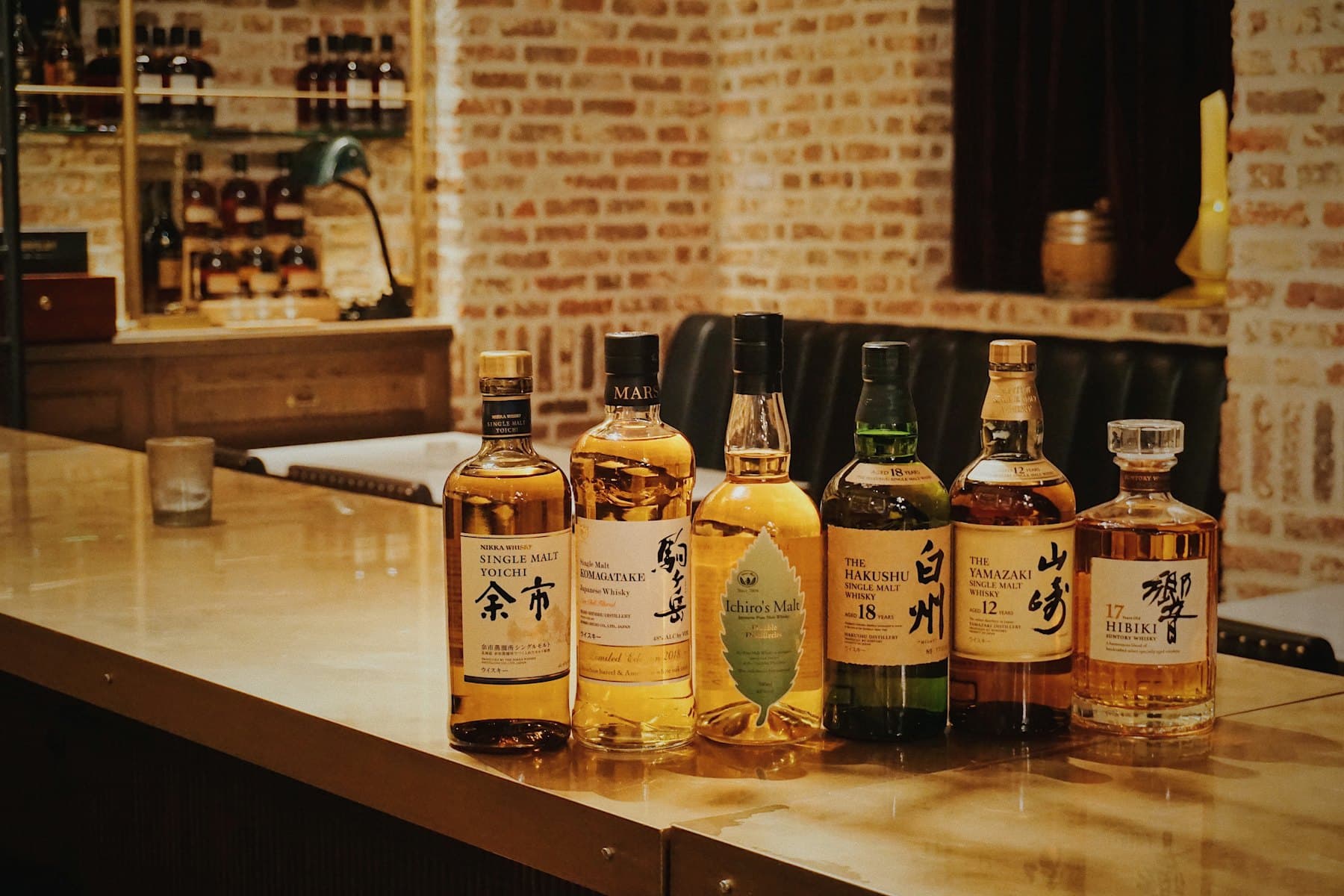 Japanese whisky
Is your Japanese whisky actually Japanese? How to check before you spend $200
The 2021 labelling standard, why it is still voluntary, and four checks that tell you whether a bottle is really Japanese whisky.