Japan's new whisky distilleries: where the interesting drinking is now
Kanosuke, Yuza, Saburomaru, Shizuoka, Akkeshi. Who they are, what makes each one different, and why they are better value than the famous names.
 Japanese whisky
For most English-speaking drinkers, "Japanese whisky" means three Suntory bottles and two Nikka ones. That was a reasonable summary fifteen years ago. It is now badly out of date.
A generation of new Japanese distilleries has come of age. Their whisky is on shelves, it is priced on what is in the bottle rather than on brand recognition, and — with the famous names having risen sharply at list — it is where the interesting drinking currently is.
Here is who they are and what makes each one different.
Why this happened
Two forces.
The stock crisis. When Japanese whisky became globally fashionable in the 2010s, the big houses ran out of aged stock and withdrew age statements. That left a gap in the market and made it obvious that Japan needed more distilleries.
Adjacent expertise. Most of the new entrants are not startups. They are sake and shochu producers who already had fermentation know-how, licences, buildings and distribution, and for whom whisky was a sideways step rather than a leap. Kanosuke's parent, Komasa Jyozo, is a shochu maker. The company behind Yuza was founded in 1950 as a joint venture of nine Yamagata sake breweries.
That inheritance shows up in the whisky. These are not attempts to copy Speyside.
The distilleries worth knowing
Kanosuke — Kagoshima
Founded in 2017, on a beach on the Fukiagehama coast at the southern tip of Kyushu, run by the shochu producer Komasa Jyozo.
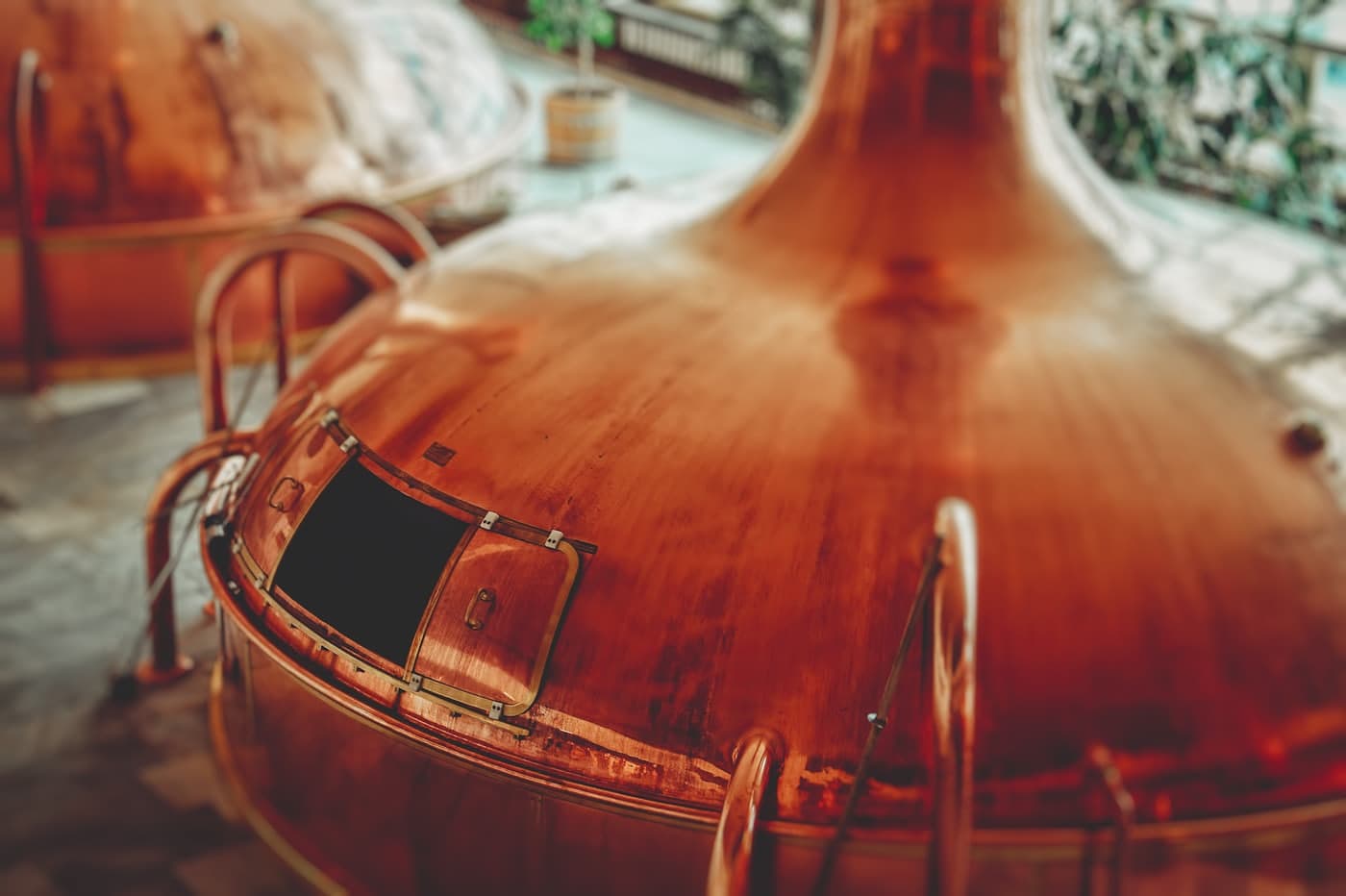
Its signature is the still house: three pot stills with different neck shapes and lyne arm angles, which lets the distillery produce genuinely different spirit characters on one site rather than one house style. The shochu heritage also means access to unusual casks, including those that previously held the family's rice spirit.
Warm-climate maturation on the coast gives faster development than Hokkaido. Start here if you want the newest wave in one bottle.
Saburomaru — Toyama
The distilling arm of Wakatsuru Shuzo, and the most technically interesting operation in Japan.
Saburomaru developed ZEMON — the world's first cast-metal pot still, made using traditional Japanese casting techniques from the Takaoka bronze industry rather than hammered copper. Cast stills can be made faster, cheaper and in shapes coppersmiths cannot easily produce, and the alloy composition can be tuned.
The whisky itself is heavily peated by Japanese standards. Small production, and bottles move quickly.
Yuza — Yamagata
Quietly the most admired of the new distilleries among people who follow the category closely. Small, precise, restrained, and made without much noise. Releases are limited and sell out.
If you see a Yuza bottling at a sensible price, buy it.
Shizuoka — Shizuoka
Founded in 2016, and the most terroir-focused distillery in Japan. It works with 100% Japanese barley in some releases — genuinely unusual, since most Japanese distilleries import malted barley from the UK — and its stills include one heated by direct wood fire.
Shizuoka's releases tend to be named by the still and the barley source, which is unusually transparent and makes it a good distillery to learn from.
Akkeshi — Hokkaido
Founded in 2016 on the cold, foggy east coast of Hokkaido with an explicit ambition: to make an Islay-style whisky in Japan. Heavily peated, maritime, matured in a genuinely cold climate.
Its releases are named after the 24 seasonal divisions of the traditional Japanese calendar — Kanro, Sarorunkamuy and so on — which makes a coherent set to follow if you like the style.
Chichibu — Saitama
Not new any more, but the distillery that proved it could be done. Ichiro Akuto began distilling in 2008, and Chichibu's reputation and prices now sit closer to the establishment than the newcomers. Worth knowing as the model everyone else followed.
What is coming
The expansion has not stopped. Karuizawa Distillers — a new company, unrelated to the historic closed Karuizawa distillery whose bottles sell for fortunes — operates a distillery at Komoro and has announced a second, Furaliss, to be built in Furano, Hokkaido, with production expected from 2028.
That timeline is a useful reminder of the economics: a distillery announced today produces nothing you can drink for at least three years, and nothing mature for a decade.
How to buy well from a young distillery
Prefer cask strength and single cask. Young whisky is thin when it is reduced to 40%. At 50%+ the same spirit has body. The new distilleries know this and most of their good releases are bottled strong.
Read what the distillery says about its spirit. The good ones have a philosophy — a still shape, a fermentation time, a barley source — and they explain it. Vagueness at this level of the market is a warning.
Do not expect Yamazaki. These are not cheaper versions of the famous names. They taste different on purpose.
Check it is what you think it is. A young Japanese distillery's whisky and a world blend with a Japanese name occupy similar shelf space and similar prices. The certification mark and the five-second check tell them apart.
Where the value sits
Under $100 you are still mostly buying the big houses' blends — our picks are here. The new distilleries mostly begin around $100 and run to $200.
That band is where we would spend in 2026. You are paying for liquid made with intent by people who have something to prove, rather than for a name that has already been paid for many times over.
The short version
- The category is much bigger than Suntory and Nikka now.
- Kanosuke (three differently shaped stills, coastal Kagoshima) is the easiest entry.
- Saburomaru built the first cast-metal still in the world.
- Shizuoka works with 100% Japanese barley and a wood-fired still.
- Akkeshi is Japan's answer to Islay. Yuza is the connoisseur's pick.
- Buy cask strength, and buy the ones that explain themselves.
Last verified 5 August 2026. Distillery details from producer and trade sources; production dates for announced distilleries are the companies' own projections.
Common questions
Which new Japanese distilleries are worth trying?
Kanosuke in Kagoshima, Yuza in Yamagata, Saburomaru in Toyama, Shizuoka in Shizuoka and Akkeshi in Hokkaido are the names to know. Each has a clear identity rather than a house style borrowed from Scotland, and all are priced on the liquid rather than on brand recognition.
Are new Japanese distilleries better value than Yamazaki or Hibiki?
Generally yes, in 2026. The famous Suntory names carry a brand premium that the 2024 list-price rises made worse, while the newer distilleries are still priced on what is in the bottle. At the same money you usually get something more interesting.
Why are so many Japanese whisky distilleries owned by sake or shochu makers?
Because they already had the fermentation expertise, the licences, the buildings and the distribution. Kanosuke's parent Komasa Jyozo is a shochu producer; Yuza's operating company was founded by a group of sake breweries. Whisky was an adjacent business rather than a leap.
Is young Japanese whisky any good?
Some of it is very good and some is thin. The three-year minimum in the labelling standard is a floor, not a promise. Buy from distilleries with a clear philosophy about their spirit, and treat cask-strength and single-cask releases as the ones most likely to reward you.
Read next
 Japanese whisky
A Japanese whisky gift guide by budget — and the delivery rules nobody mentions
What to give at $50, $100 and $200, why the famous bottles are the weakest gifts right now, and the shipping rules that quietly ruin alcohol presents.
 Japanese whisky
How to make a Japanese highball at home
The ratio, the ice, the glass and the stir. Why the Japanese version tastes different from whisky and soda, and which bottle to use.
 Japanese whisky
Is your Japanese whisky actually Japanese? How to check before you spend $200
The 2021 labelling standard, why it is still voluntary, and four checks that tell you whether a bottle is really Japanese whisky.